
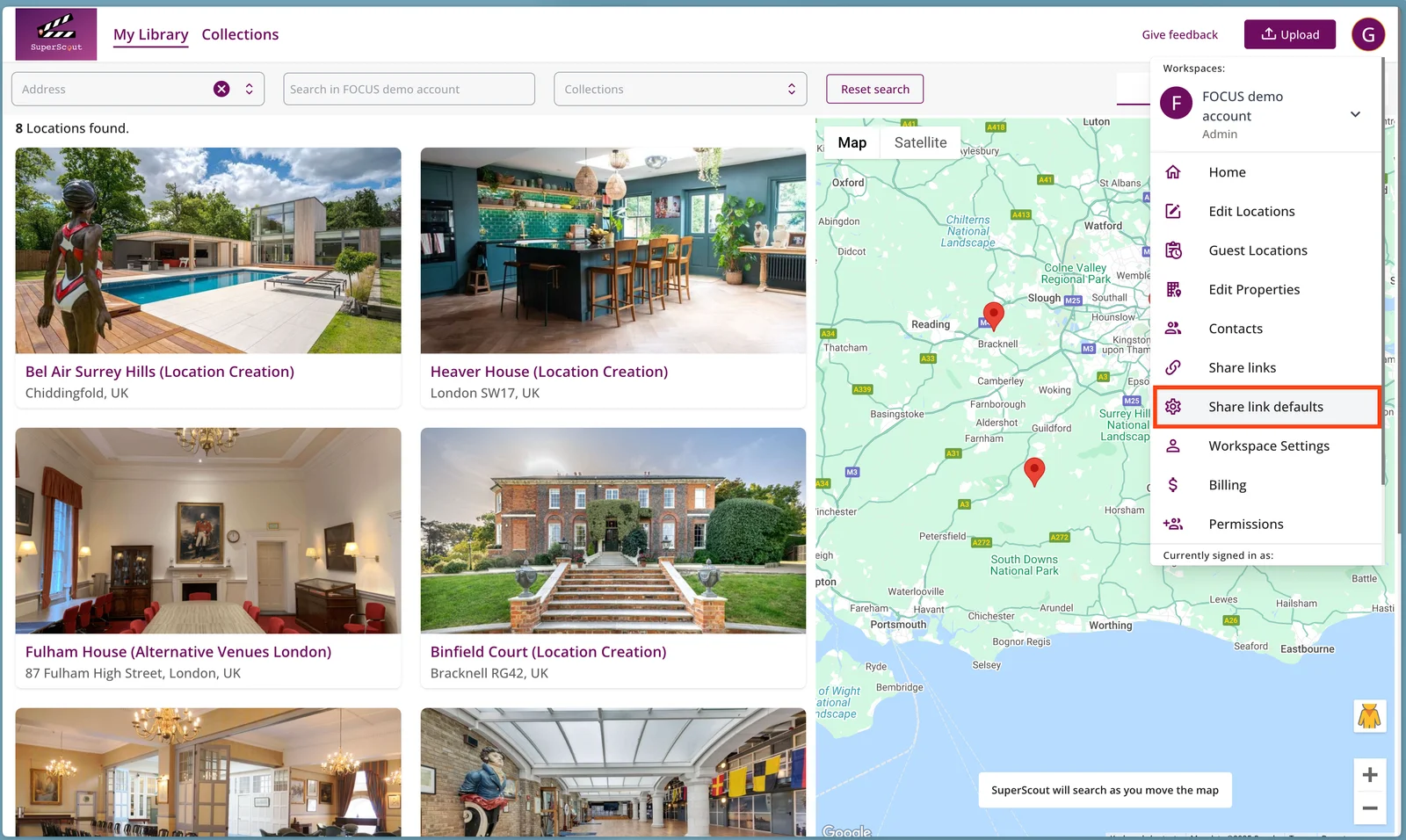
A location library is one of the most valuable tools in the production world. They help production teams save time, coordinate across departments, streamline workflows, and showcase their collections to the public. So, whether you’re working on a global advertising campaign or a low-budget indie film, understanding how to use a location library effectively can transform the way you plan and execute your work.
This guide explains what a location library is, how it works, why it matters, and how to get the most out of one, especially if you're new to production or looking to streamline your process.
Contents:
A location library is a form of location management software, which involves a curated, searchable directory of real-world places available for filming or photography. These libraries typically include everything from private homes and office buildings to farms, forests, warehouses, deserts, beaches, churches, and much more.
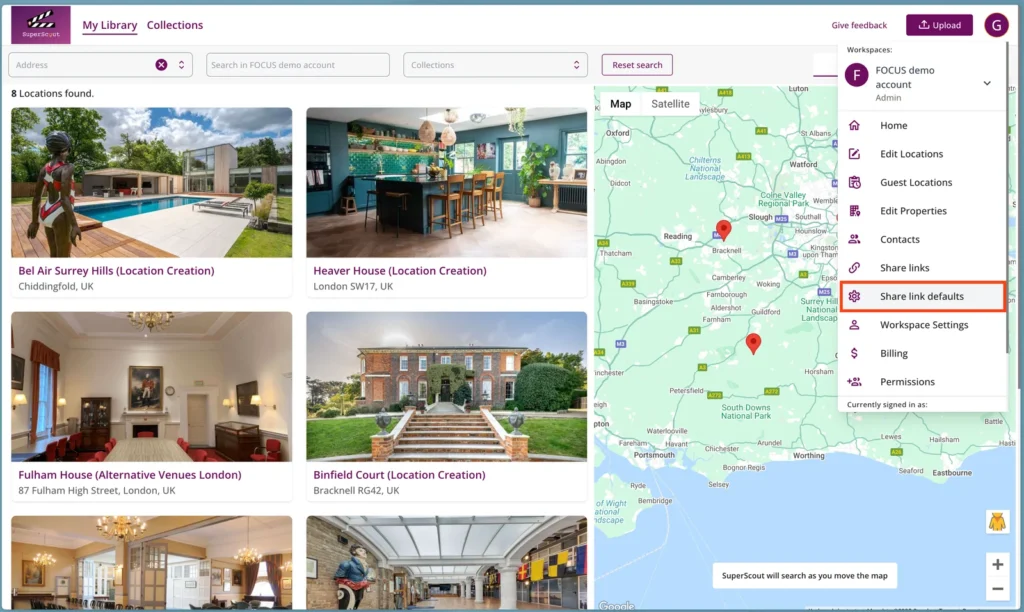
Each entry in a location library usually contains:
Think of it like a digital scouting companion, except every place in the library is already set up to be film-friendly.
In the early days of film production, location scouting was a hands-on, often exhausting process. Location managers physically walked streets, knocked on doors, and relied on word-of-mouth to hear about spaces that "might be good" for filming. While that grassroots element still exists (and is often essential and unavoidable), productions today often work on tighter timelines, bigger creative demands, and higher expectations.
A location library exists to solve three major problems:
Productions move fast. A location library allows teams to start with a curated selection rather than searching blindly.
Not every visually appealing location is film-friendly. Libraries pre-vet spaces so the basics (like insurance, access, owners’ permissions) are already in place.
Directors and producers often need inspiration early in the process. A library gives them immediate visual references to spark ideas.
In short: location libraries streamline the production pipeline while expanding creative possibilities.
SupersScout's new Showcase feature lets you create your own, personally-branded public location library. With just a few clicks, you can now publish your locations directly from SuperScout for the world to see. No complex website builders. No messy uploads. Just a clean, professional website, branded to you, built right into your workflow.
If you want to see other people's showcase sites, here are our earliest adopters:
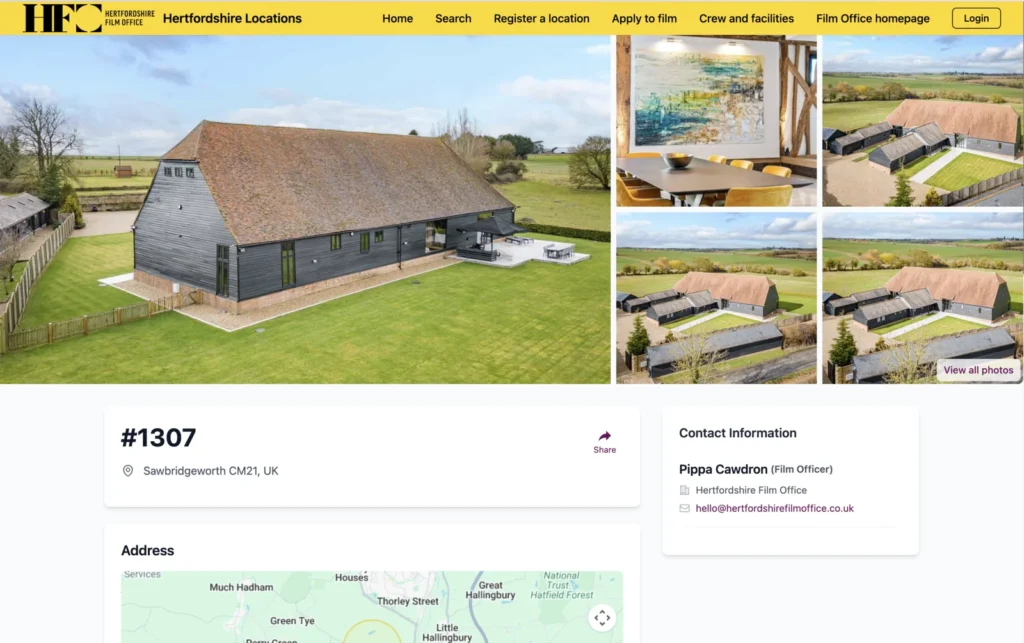
While this feature has been most requested by film offices & location agencies, anyone can choose to upgrade to it if they want to show off the amazing locations in their database, across the internet.
A location library does far more than simply list addresses. Its value lies in the depth, organisation, and reliability of the information provided.
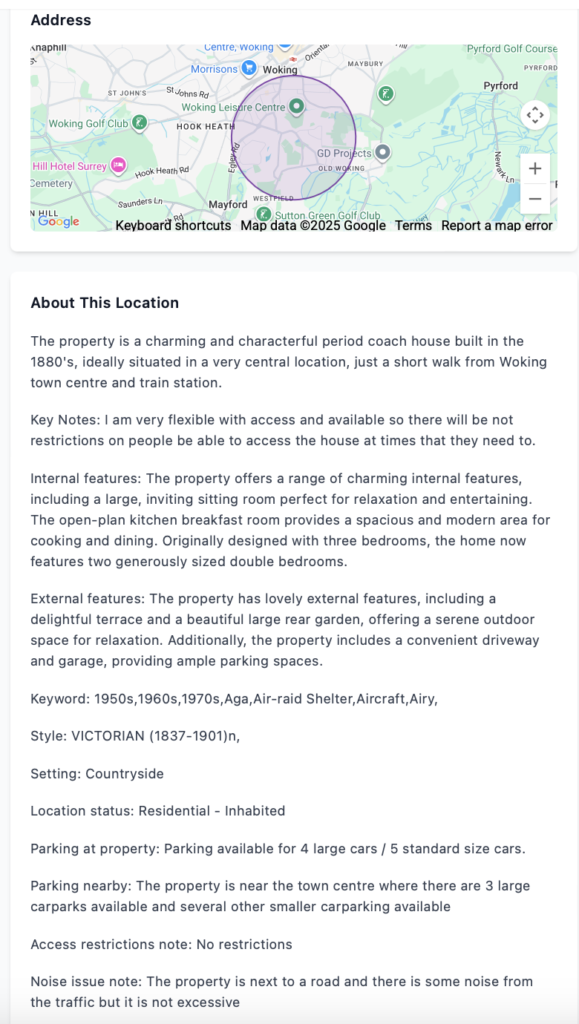
Good libraries offer dozens of images per location, covering every angle and detail so teams can assess suitability without leaving their desk.
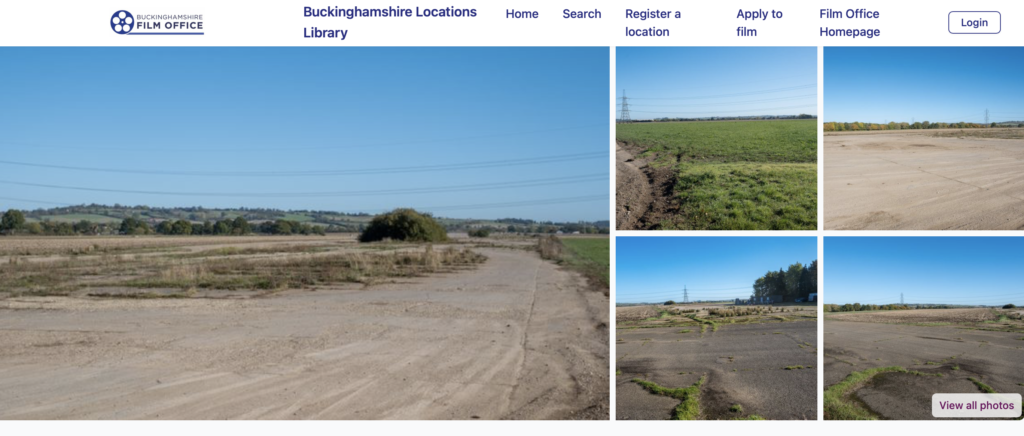
A great location library is meticulously maintained. Photos reflect the current appearance of the space; rules and restrictions stay current.
A library team knows what a production might need: load-in routes, room-to-room access, crew capacity limits, daylight exposure, power requirements, and noise challenges. That insight is invaluable.
Most libraries offer filters by:

This makes the search process far more precise.
Not all location libraries operate in the same way. Broadly, they fall into three categories:
These are private companies specialising in large, film-ready catalogues. They typically include high-end properties, unique architectural spaces, and visually striking environments. Commercial libraries are often used for:
They may charge access fees or take commission per booking.
City, state, or regional film offices often maintain free or low-cost location libraries to attract productions. These typically feature:
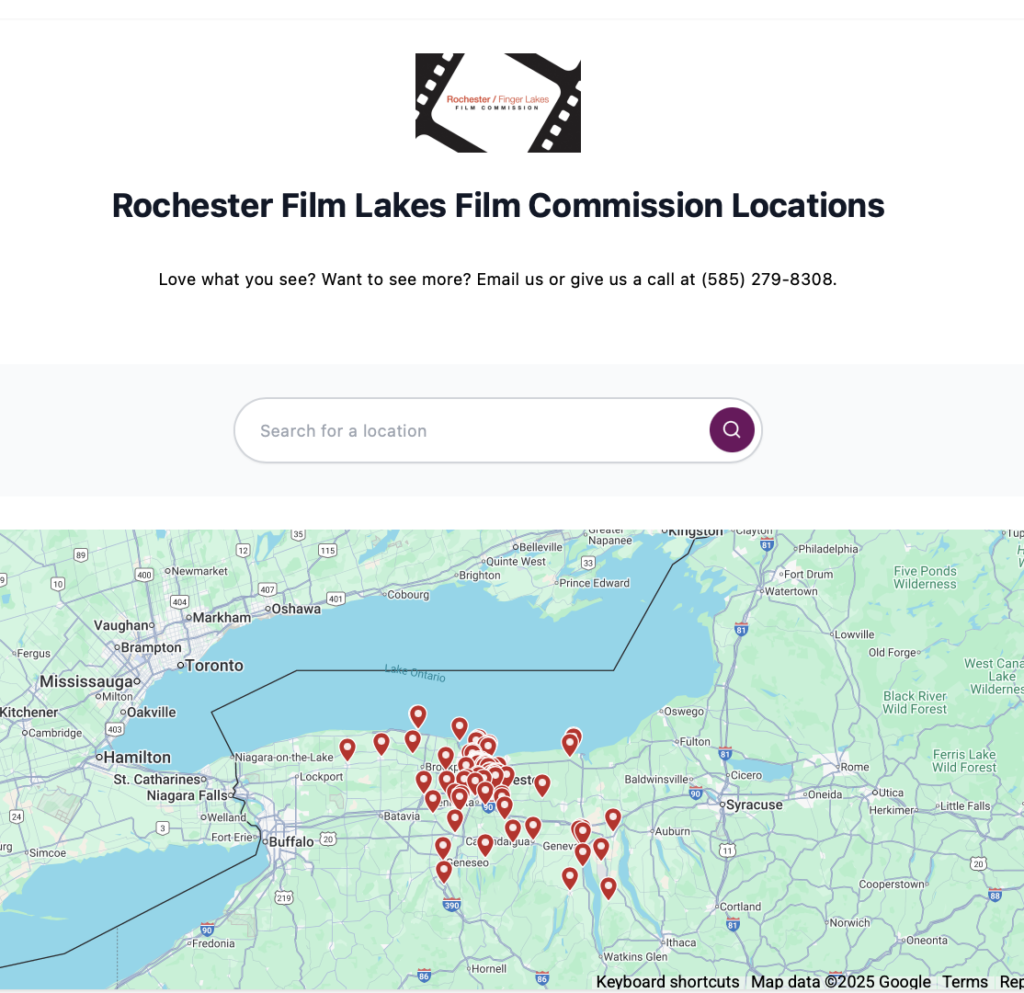
Commission libraries are especially useful for permits and regulatory guidance.
Some experienced location managers create their own personal libraries, built over years of scouting. These often contain:
These libraries can be exceptionally valuable because they offer a “scout’s eye”—taste, expertise, and insider knowledge.
Many film schools maintain their own internal location libraries as part of their production resources for students. These catalogues typically include a mix of campus facilities and nearby partner locations that are filming-friendly and affordable for student projects.
A location library is a central tool across the production ecosystem:
They rely on libraries to generate initial ideas, source options, and build location briefs for clients or directors.
Producers use libraries to understand costs, assess feasibility, and plan schedules.
Creative leads browse libraries for visual inspiration and references that match their storyboards and mood boards.
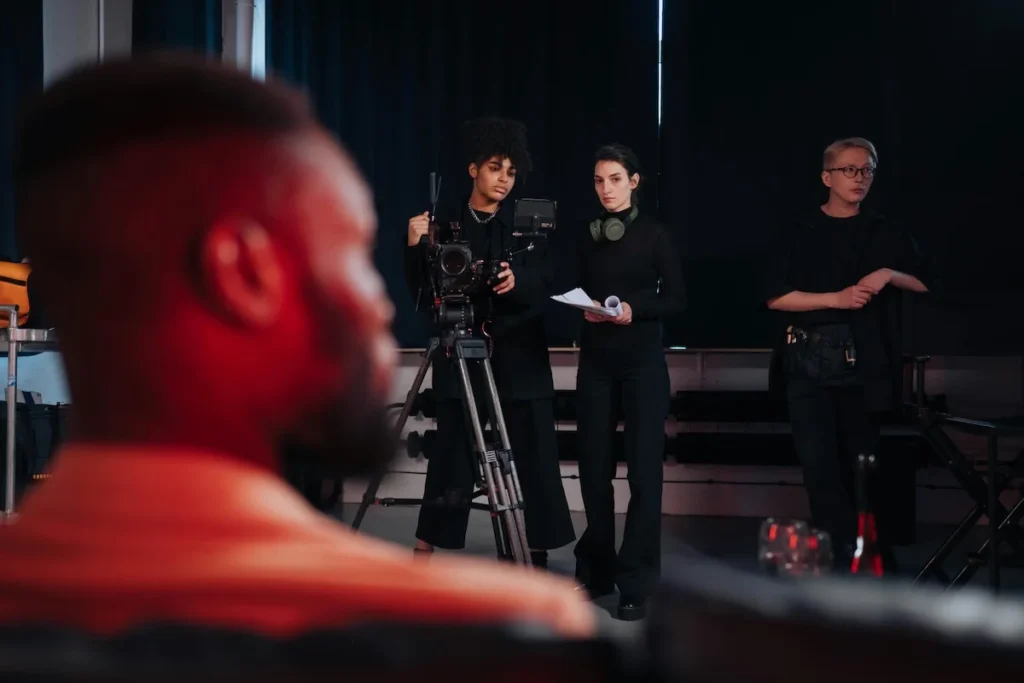
They use libraries to understand how much dressing or modification a location might require.
Agencies frequently need swift turnarounds—location libraries allow them to present polished options within tight timelines.
Editorial and commercial photographers use libraries to find unique backdrops for shoots.
Even event planners sometimes use location libraries to find distinctive venues for launches, showcases, or pop-ups.
SuperScout Showcase lets you share your amazing locations across the internet, with a personally branded website that lets you build and show off your collections!
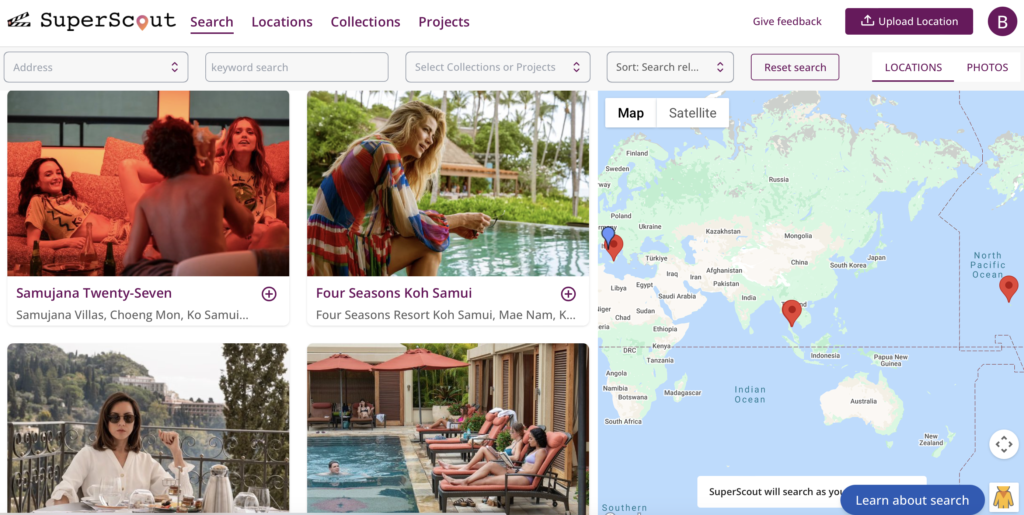
One of the greatest advantages of using a location library is the sheer amount of time it saves during pre-production. Traditionally, location scouting involves physically visiting multiple neighbourhoods, knocking on doors, and waiting for callbacks from property owners, often without knowing whether a location will even be viable. A well-organised location library eliminates much of this uncertainty.
With hundreds or thousands of ready-made options available at your fingertips, you can instantly browse properties that match your creative brief. Filters for region, property type, style, and logistical requirements help you narrow your shortlist within minutes. Instead of starting every project from scratch, productions can begin with a curated pool of film-ready locations. This not only accelerates early decision-making but also frees up location managers to focus on nuanced assessments and negotiations rather than doing repetitive groundwork.
For productions on tight schedules, like commercials, social campaigns, or projects with limited prep time, this efficiency can be the difference between meeting a deadline and missing it.
While location libraries are practical tools, they are also powerful sources of creative inspiration. Directors, cinematographers, and production designers often browse libraries not just to find a match for a specific brief but to explore new visual possibilities. Many discover locations they never would have thought to include.
These serendipitous discoveries can reshape the creative direction of a project. A unique location can bring unexpected texture or emotional depth, elevate the visual identity of a campaign, or help a filmmaker reimagine a scene in a more compelling way. Because location libraries often include a wide variety of styles and environments, they encourage exploration and experimentation. They make the creative process more fluid, more imaginative, and ultimately more fun.
Productions face countless logistical challenges, and many of the most disruptive ones stem from location issues. A neighbour objects to filming. A property owner doesn’t understand the demands of a crew. A site lacks adequate parking or access. Power supply turns out to be insufficient. Permissions fall through at the last minute. These problems can stall or even derail a shoot.
Location libraries mitigate these risks by offering pre-vetted, production-friendly spaces. Properties in a library have already been assessed for suitability: owners know what filming involves, and the library team has a clear understanding of the site’s limitations. Many libraries maintain long-term relationships with owners, meaning communication is smoother and expectations are aligned from the start.
This reliability reduces the chances of unpleasant surprises, meaning no sudden access restrictions, no miscommunication about usage, no last-minute cancellations. And if issues arise, the library team often steps in to resolve them quickly, drawing on years of experience managing similar scenarios.
A location library is the creative engine at the heart of modern filmmaking. By offering pre-vetted, visually rich, and logistically practical locations, it allows productions to move faster, stay within budget, and explore a wider range of creative possibilities.
Whether you're a seasoned filmmaker, an agency creative, or someone stepping into production for the first time, understanding how to use a location library effectively can dramatically improve the quality, speed, and smoothness of your project.