
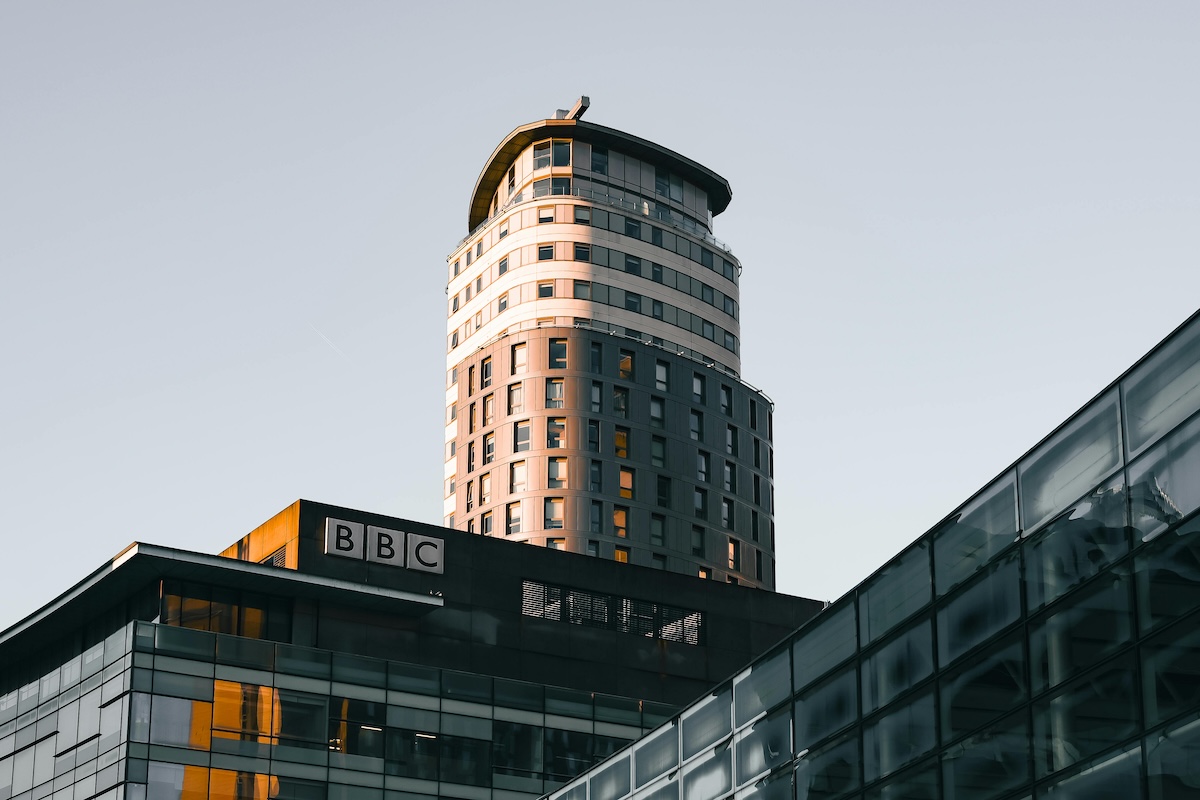
Breaking into the film industry can feel like trying to gain entry into an exclusive club - nearly impossible. Whether you're a student, a recent graduate, or simply a passionate creative looking for a way in, internships can be a powerful launchpad as a temporary, entry-level position to gain experience in the industry. But competition can be fierce, and opportunities aren’t always easy to spot, let alone secure.
This guide will walk you through everything you need to know about landing a film internship in the UK: from where to look, how to stand out, and what to expect once you're in.
Before you start firing off CVs, take a moment to define what you're actually looking for. Not all internships in the film world are the same - in fact they can many departments:
Questions to ask yourself:
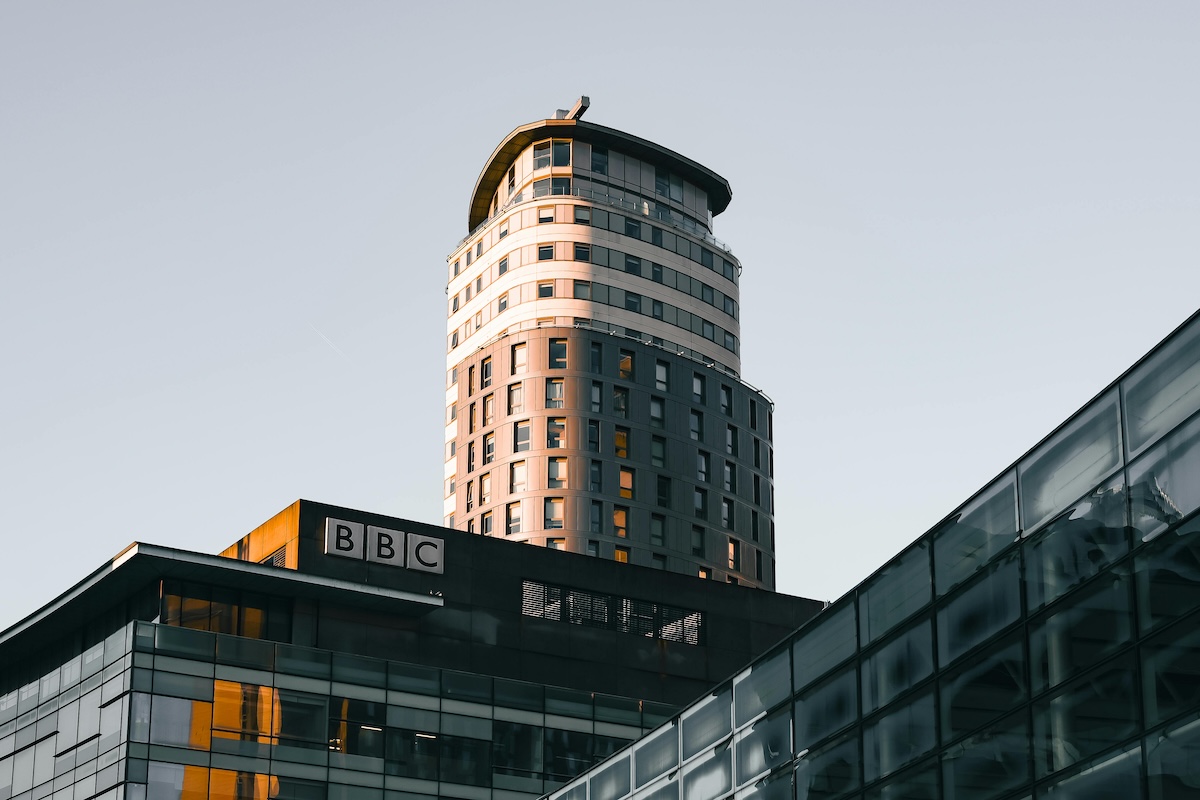
Photo by Nathan J Hilton
There are two types of film internship:
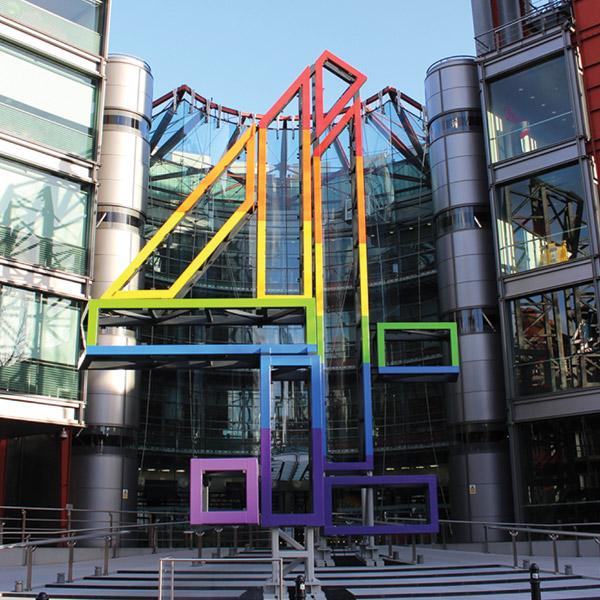
It’s no secret that London dominates the UK’s film industry. It's home to the BBC, Channel 4, Pinewood Studios, plus many production companies and post-production studios.
You do have to consider the cost of living is high, plus factor in travel and accommodation if you’re not based there. And focusing only on London could mean missing out on equally exciting opportunities elsewhere.
Manchester has become one of the UK’s most important media hubs, thanks largely to MediaCityUK — home to both BBC and ITV, as well as a host of independent production companies. The city offers strong opportunities in TV drama, factual programming, and even some film work.
While competition for roles can still be fierce, Manchester’s more affordable cost of living compared to London makes it an appealing base for those starting out in the industry.
Bristol stands out as a UNESCO City of Film Bristol. It's also the birthplace of motion picture pioneer William Friese-Greene and the birthplace of Hollywood legend Cary Grant. It’s the home of Aardman Animations (Wallace & Gromit, Shaun the Sheep) and has a thriving factual and documentary sector.
The city is particularly strong in animation, natural history filmmaking, and documentaries. While the industry here is smaller than London’s, Bristol is well-connected and offers a tight-knit community that values collaboration.
Glasgow boasts a vibrant film and TV scene, supported by Creative Scotland’s investment in the arts. It’s home to major broadcasters like BBC Scotland and STV, as well as an energetic indie film community.
Opportunities here often centre on drama, independent productions, and factual content. While there may be fewer internships available overall compared to larger cities, Glasgow’s close-knit industry means that once you’re in, you can quickly become part of a strong creative network.

These are smaller, often more agile companies producing feature films, documentaries, or commercials. You may get to wear multiple hats and be involved in different stages of production. It’s often more hands-on than in a bigger organisation. On the other hand resources can be limited.
Think big names like BBC, Channel 4, ITV, and Sky. Broadcasters don’t just produce, they commission and distribute films and TV content. More structured internship schemes with clear training opportunities. Highly competitive; roles may be more specialised and departmental.
These companies handle editing, colour grading, sound design, and visual effects. If you’re interested in the behind-the-scenes magic that happens after filming, this could be your calling.
Learn specialist skills in a technical environment; get exposure to big-name projects. Work can be highly focused — great if you love detail, less so if you crave variety.
Interning at a top UK film festival (e.g. BFI London Film Festival, Sheffield DocFest) can give you insight into programming, marketing, and event production. There's excellent networking opportunities with filmmakers, critics, and distributors and usually temporary, seasonal roles.
Here are some top resources and methods to help you find internships:
Many production companies list internships or entry-level roles on their websites. Start with a list of 20-30 independent UK film companies and check their sites regularly. Some may not advertise, but it's still worth reaching out speculatively.

Follow film companies and industry professionals on:
Subscribe to newsletters like:
You can also utilise word of mouth by joining local film groups and meeting others with film interests. See our list of London indie film groups and meetups for inspiration.
You don’t need a 10-page portfolio — but you do need to make a strong, relevant impression.
Tailor your CV to each opportunity. Highlight relevant skills like video editing, script analysis, or set work. Keep it short and sharp: 1 page is ideal, 2 max.
Include:
An optional way to present your work is to create a simple portfolio site. Use platforms like Wix, Squarespace, or Notion to create a basic website showing your projects, CV, and contact details.
For showreel tips, read how to create a killer showreel.
Think a bit harder - don't overlook your personal film related hobbies, student projects, and volunteer positions. These all show your passion and commitment:
If you haven’t heard back after 7–10 days, it’s perfectly fine to send a short, polite follow-up email. Keep it friendly, not frustrated.
One of the simplest (yet most overlooked) ways to stay persistent without becoming overwhelmed is to track your applications.
Create a spreadsheet (Google Sheets works well) with columns for:
This helps you: Avoid accidentally applying twice to the same role, follow up at the right time and spot patterns in which applications get better responses.
Rejection is part of the creative industries. Even top directors, writers, and producers hear “no” far more often than “yes.” Use each application as practice for refining your CV, improving your cover letter, and learning more about the kinds of roles and companies that suit you best.
Instead of waiting around for one dream internship to get back to you, keep applying. A good target is 3–5 quality applications per week. This is enough to keep you in the running for multiple opportunities without burning yourself out.
Quality is key here, it’s better to send five well-researched, tailored applications than 20 generic ones. Employers can spot a copy-paste email from a mile away.

So, you’ve landed the internship — congratulations! You’re about to get a behind-the-scenes look at how the industry really works.
But what will your day-to-day actually look like? The short answer: it varies — a lot. Internships in film can range from coffee runs and spreadsheet updates to sitting in on creative meetings or shadowing a crew member on set. Your experience will depend on the type of company, the stage of production, and even the personalities of the people you’re working with.
While you might dream of directing on day one, most internships start with smaller, practical tasks. This isn’t a bad thing — it’s an opportunity to prove yourself reliable and adaptable. The more you show initiative and deliver quality work, the more responsibility you’ll be trusted with.
Remember: in the film industry, no job is “beneath” anyone. Everyone made tea and hauled kit in their early days.
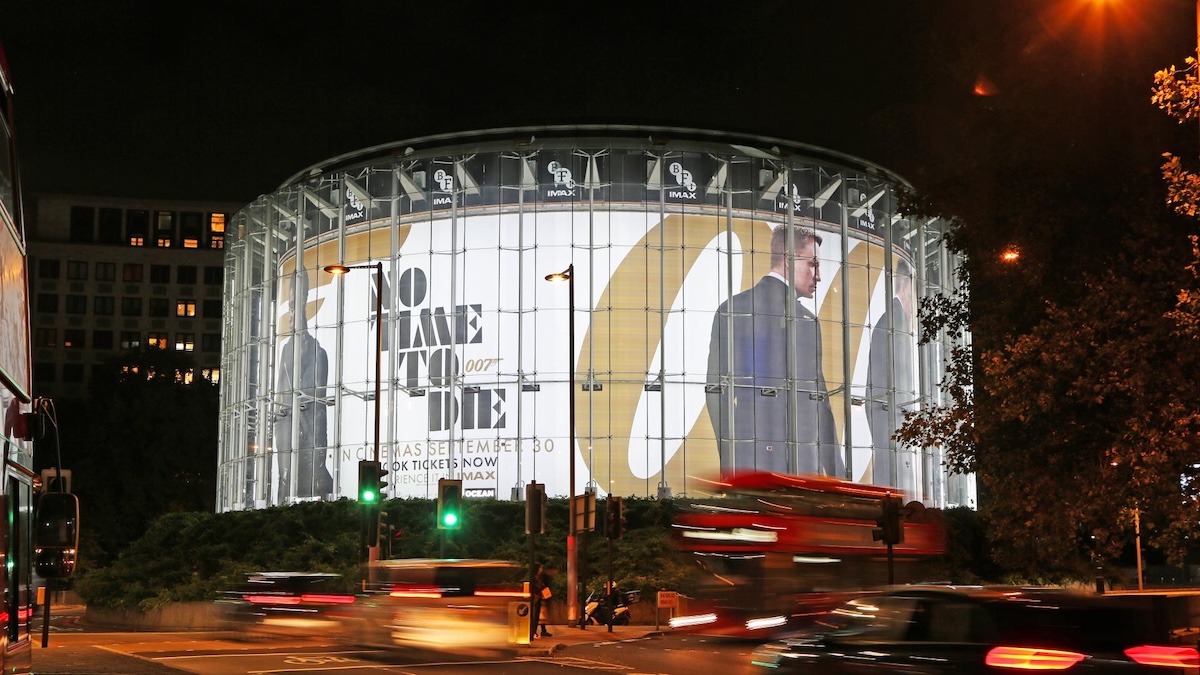
There’s no single route into the UK film industry, and internships are just one way in. Stay curious, keep building your skills, and don’t wait for someone else to give you the green light to start creating.
Think of an internship as more than a short-term placement. Every task, however small, is a chance to prove yourself and to learn something new. If you treat it as an investment in your future career, you’ll walk away with more than just a line on your CV — you’ll have skills, contacts, and confidence that no classroom can teach.
In the end, the people who make it into film share one thing in common: persistence. They keep applying, keep learning, and keep showing up until the right door opens.
Looking for more work experience tips? Read how to get hired on your first UK film set.