
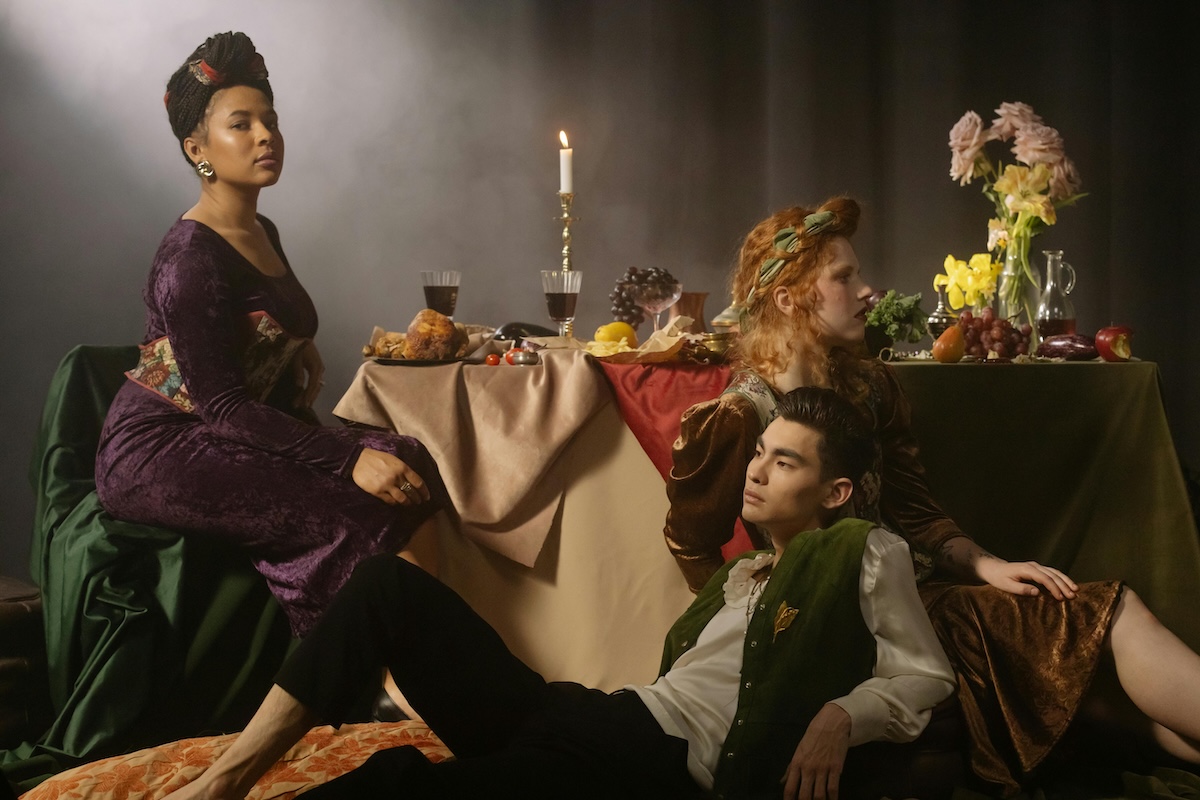
Designing a film set is a creative process that blends imagination, practical thinking, and teamwork. Whether you’re working in a studio, or on-location, a well-designed set helps bring the story to life and supports the audience’s experience.
In this guide, we’ll walk through the basics of film set design, from understanding the script to avoiding common mistakes. So, let's dive in and discover how you can create a captivating and functional set design.
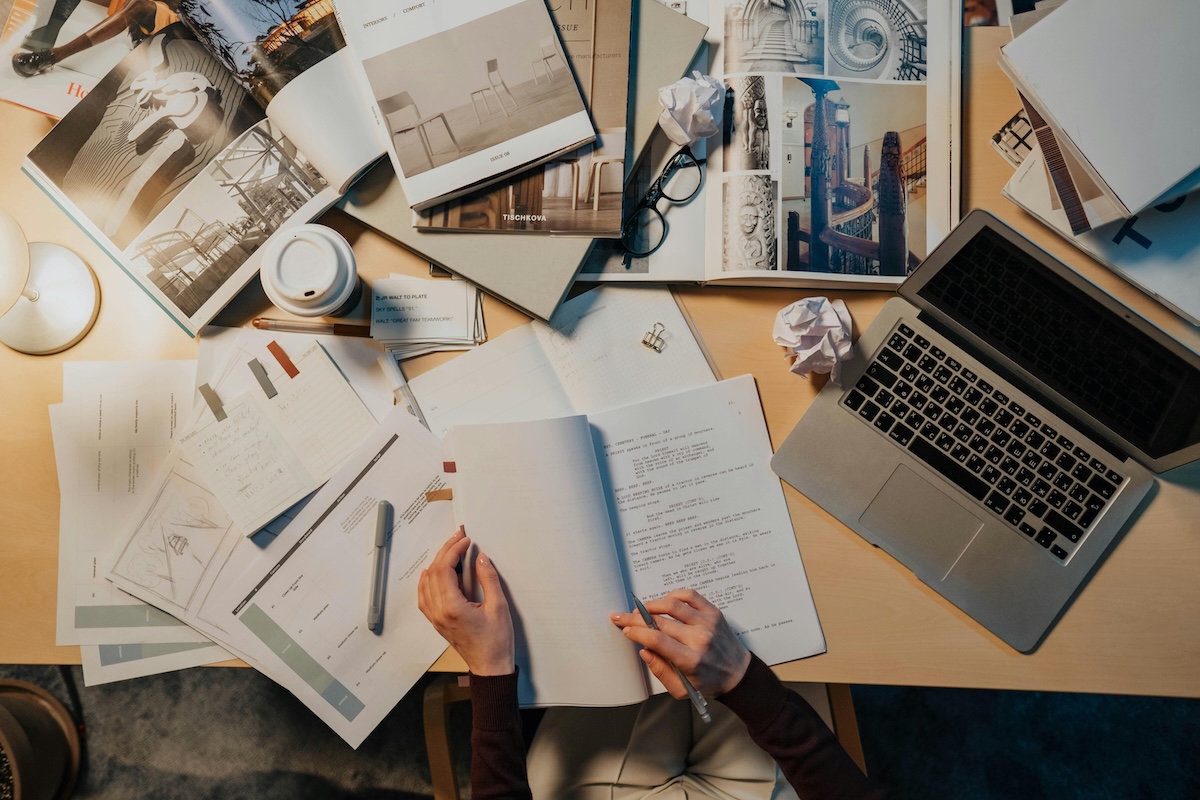
Set design is about more than choosing props and placing them against a backdrop. It involves thinking carefully about space, story, and atmosphere.
Before you start designing, take time to read the script or understand the production’s vision. Ask yourself:
These details will guide your design choices and help keep your work consistent with the story.
Practicality is just as important as creativity. Think about how the set will be built, taken apart, stored, and moved. Consider the size of the space and technical needs such as lighting and sound.
In film set design, it’s important to remember that the audience experiences the set through the camera. Unlike theatre, you don’t need to design every angle. Walls, ceilings, or entire rooms may be left open to allow space for cameras, lighting, and crew.
Textures can also make a big difference. Different materials add depth and realism. Rough surfaces might suit a gritty setting, while soft fabrics can suggest comfort or luxury. Small details like this help make the world of the story feel believable.

Colour and lighting are powerful tools in set design. They help set the mood and guide how the audience feels during a scene.
Different colours create different emotional responses. Warm colours like red, orange, and yellow can feel energetic or intimate, while cool colours like blue and green often feel calm or distant. Choose a colour palette that supports the story rather than distracting from it.
It’s also helpful to think about cultural meanings of colour. For example, red can symbolise luck in some cultures and danger or passion in others. Being aware of this can add subtle layers to your design.
When designing for film, always consider how colours will appear on camera. Some colours look different under strong lighting or after colour grading in post-production. Matte finishes are often preferred, as glossy surfaces can reflect light and distract the viewer.
Lighting is just as important as colour. Light can highlight key areas, create shadows, and add depth to a set. Changing the angle, brightness, or colour of lights can completely change how a scene feels. If possible, work with a lighting designer to make sure the set and lighting work together smoothly.
Interested in lighting? Explore films shot almost entirely with natural light.
SuperScout is your own private location library – upload locations in minutes, tag them with ai in seconds, then search and share with your team
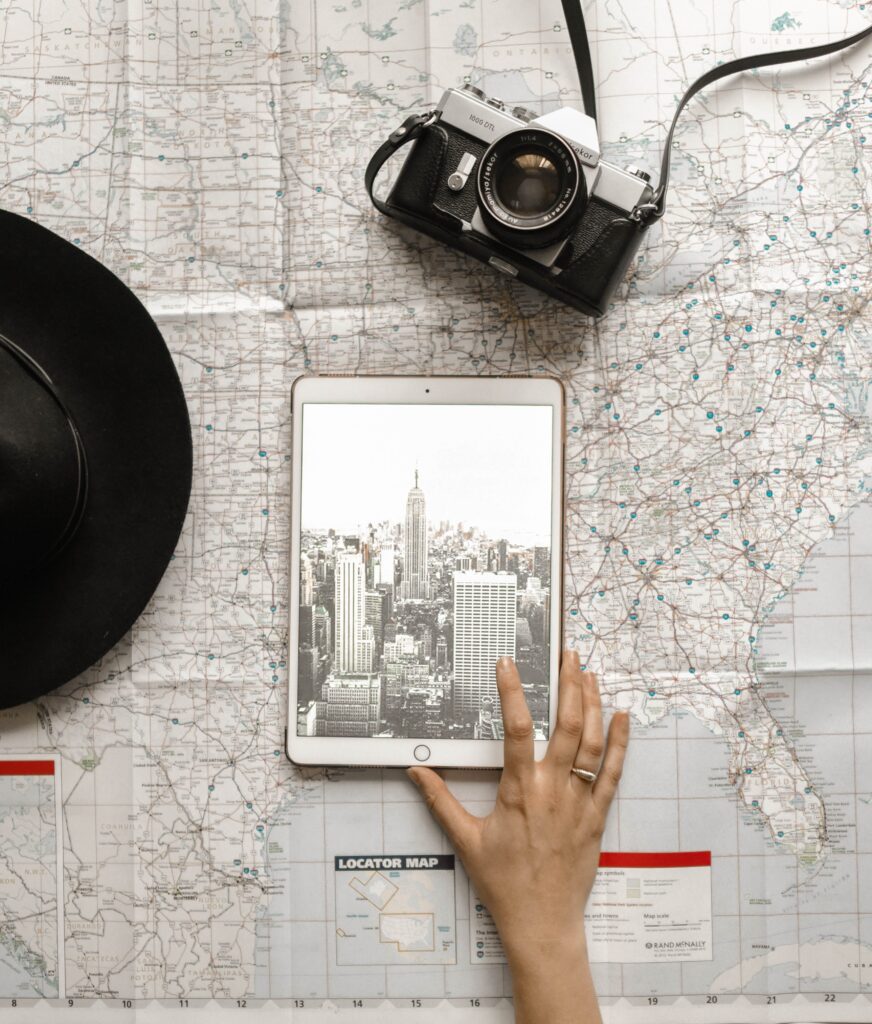
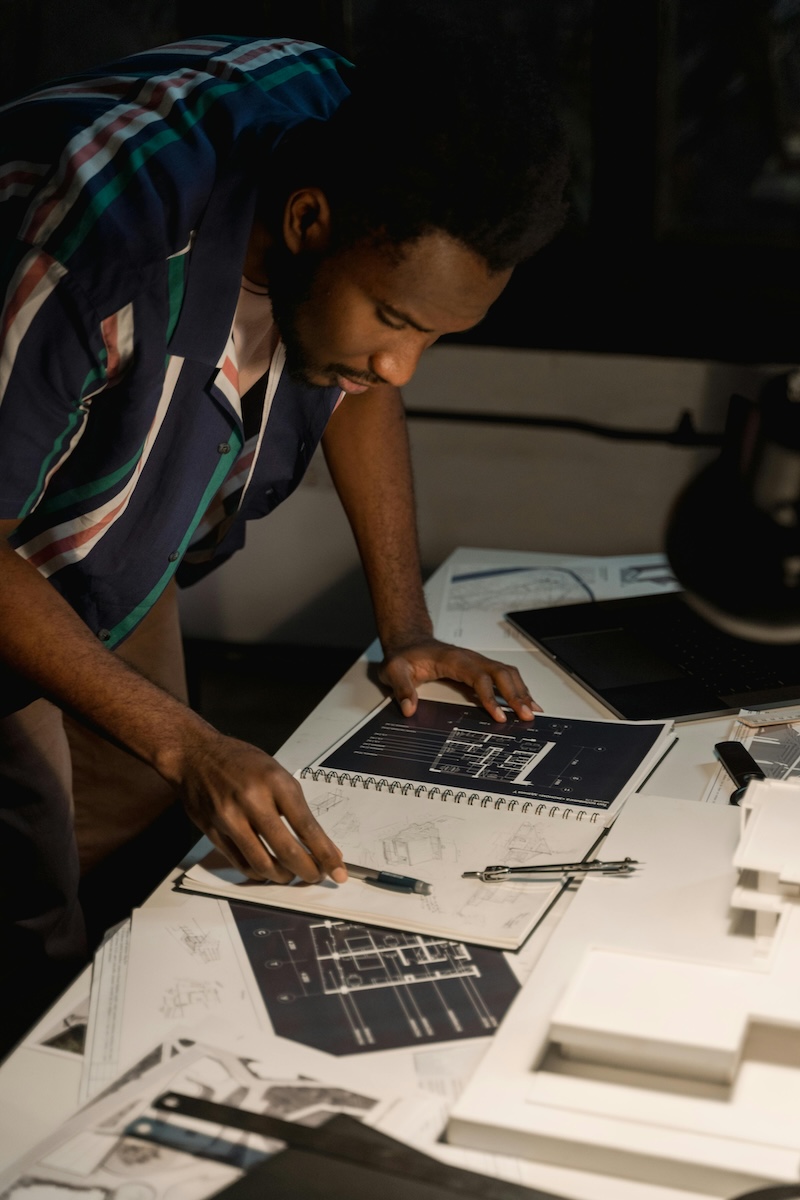
A good film set should look great and work well for the people using it.
Start with a simple floor plan. Decide where major elements like doors, furniture, and props need to be. Think about how actors will move through the space and how scene changes will happen.
A clear, logical layout helps performances run smoothly and avoids unnecessary delays. It also improves safety for cast and crew.
Film sets must allow room for camera tracks, cranes, and lighting rigs. Designers often construct film sets in sections so walls or furniture can be moved quickly between shots. Continuity is also crucial. Props and set dressing must stay consistent across multiple takes and filming days.
Visual focus is important too. Use height, levels, and placement to guide the audience’s attention to what matters most in each scene. This helps support the story without needing extra explanation.
Always keep safety and durability in mind. The set must be strong enough for repeated use and safe for actors to interact with, especially in scenes involving movement or physical action.
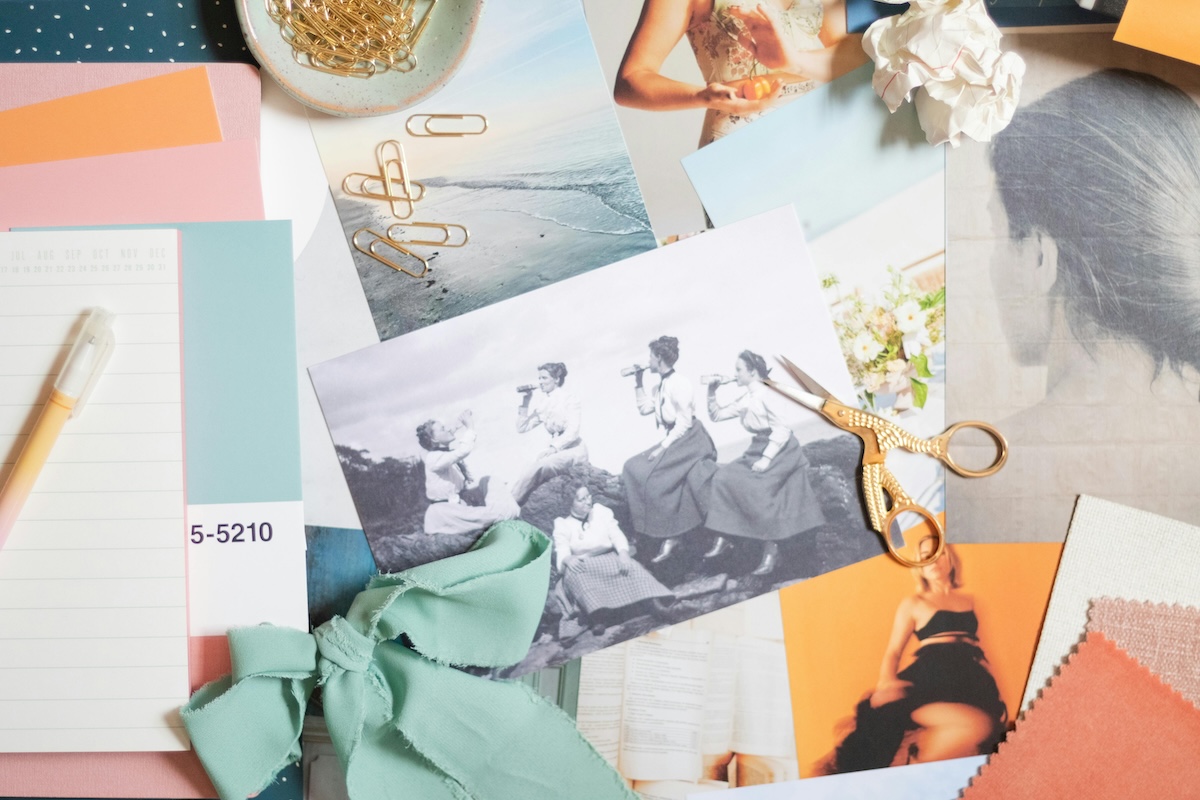
Set design is a great way to reinforce the themes of a story. Visual details can communicate ideas without words.
Look for inspiration in art, architecture, history, or nature (anything that connects to the story’s themes.) Patterns, shapes, and textures can all be used to suggest emotions or ideas.
It’s important to work closely with the director and other designers when developing these concepts. Sharing ideas early helps ensure everyone is working toward the same vision.
Understanding the cultural or historical background of the production can also add depth. Researching the time period or social setting can guide choices in colour, materials, and overall style.
In film, the set often communicates character and story without words. Small details in the background such as worn furniture, colour choices, or personal objects, can reveal a character’s history or emotional state, especially in close-up shots.

Set design is never a solo job. Film set designers work closely with the production designer and cinematographer to ensure the set supports the camera’s framing and movement. Regular discussions help align set design with lighting style, lens choices, and shot composition.
Be open to feedback and new ideas. Different perspectives often lead to better solutions. Regular check-ins help prevent misunderstandings and keep the project on track.
Most importantly, stay flexible. Designs often change during filming, and being adaptable is a key part of working in film.
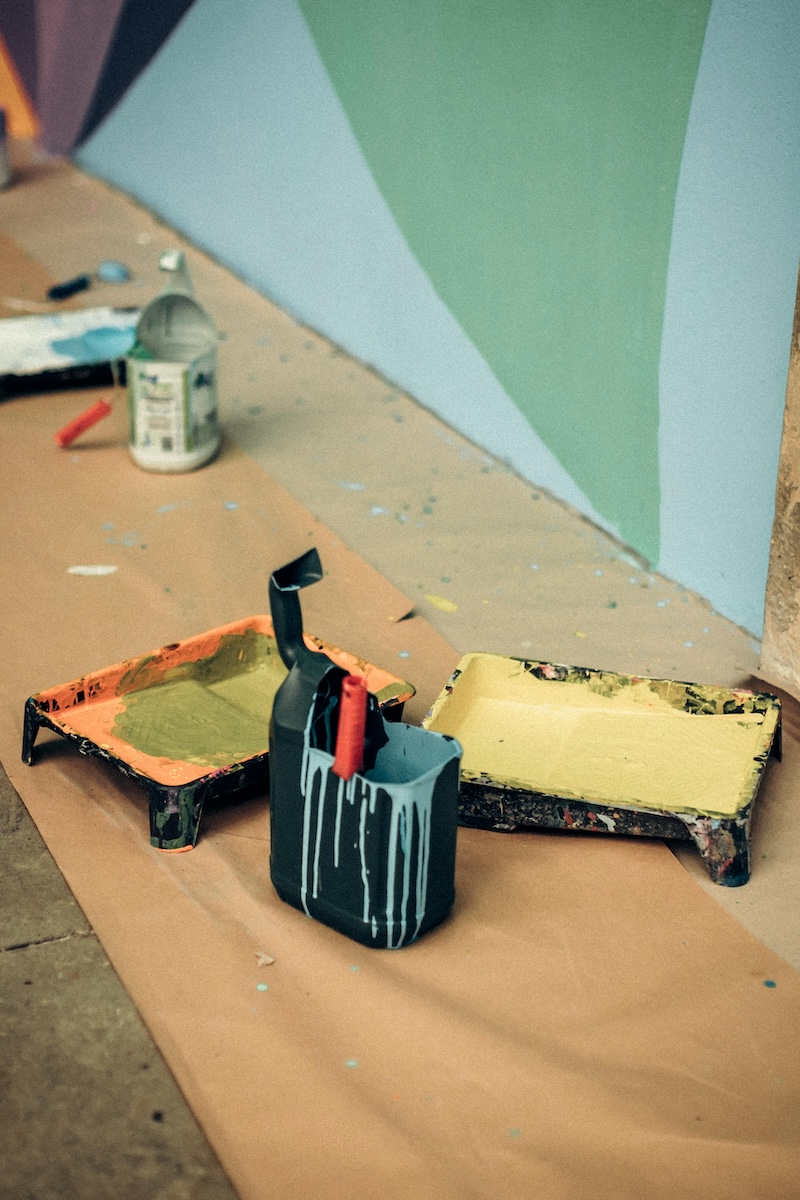
Productions often work under tight schedules and film budget, so sets may need to be built quickly and efficiently. Designers frequently reuse or redress sets to represent multiple locations, helping to stretch the film budget while maintaining visual variety.
Start by setting a clear set budget and breaking it down into categories like materials, props, labour, and equipment. Get quotes where possible and prioritise the elements that will have the biggest visual impact.
Always include a contingency fund for unexpected costs. Changes and surprises are common in set design, and having extra flexibility can save a lot of stress later.
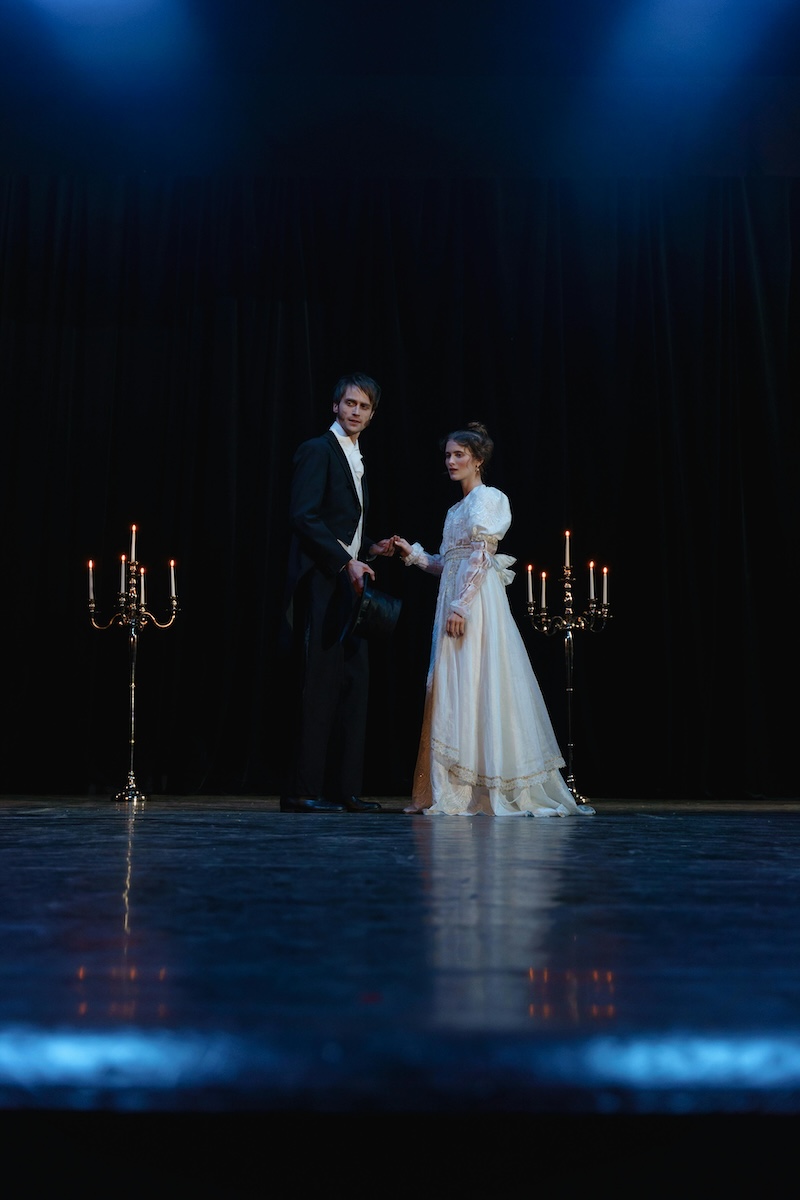
One common mistake is trying to do too much. Overcrowded film sets can distract the audience and make movement difficult. Focus on what the story truly needs.
You'll also want to avoid adding detail where the camera will never see it. Focus your time and budget on what appears in frame. Also watch out for reflective surfaces, which can reveal crew or equipment, and materials that interfere with on-set sound recording.
Safety is another area that should never be overlooked. Make sure all structures are stable and free from hazards such as loose cables or sharp edges.
Finally, don’t ignore practicality. If a set is difficult to transport, assemble, or store, it can cause problems for the entire production. Simple, smart design choices often work best.
Film set design is a balance of creativity, planning, and teamwork. By understanding the story, working collaboratively, and keeping both aesthetics and practicality in mind, you can create sets that truly support the production.
With practice and curiosity, your confidence will grow, and so will your designs. Now it’s time to start bringing stories to life, one set at a time.