

Welfare units are an essential requirement on film sets, particularly when filming on location without access to permanent facilities. In the UK, production teams are responsible for ensuring cast and crew have access to appropriate welfare facilities — from toilets and rest areas to hygiene and waste management.
This guide explains what welfare units are, when they’re required, and what film productions should consider when hiring them.
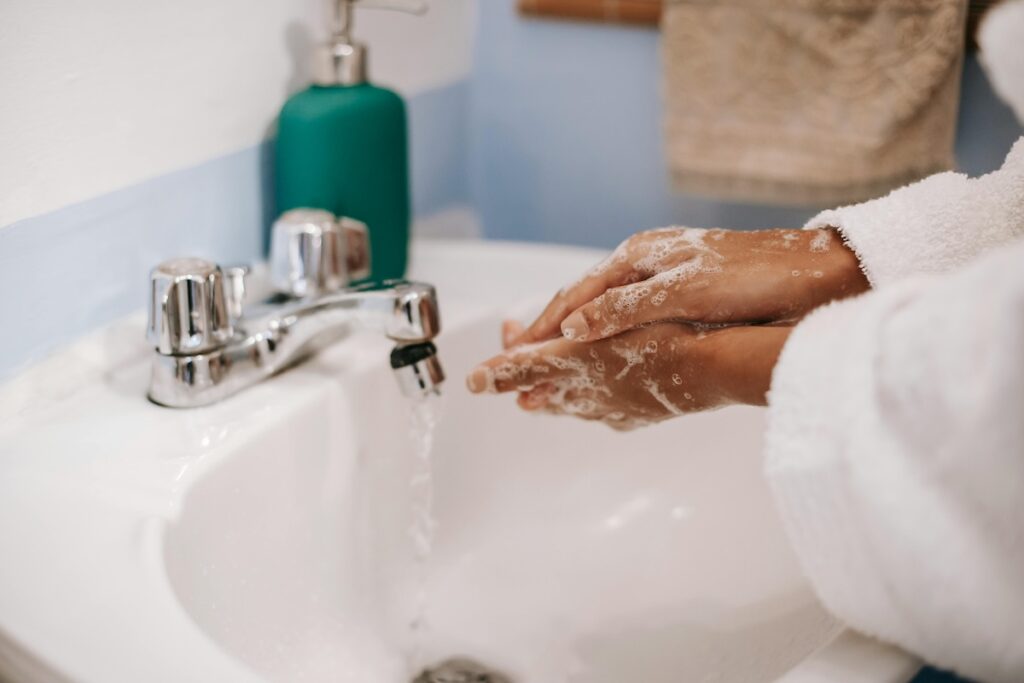
A portable welfare unit (also known as a honey wagon trailer in the biz) is a self-contained facility designed to provide basic amenities and services for workers in remote or temporary locations. In addition to film sets, they are often used at construction sites, outdoor events, disaster relief efforts, and other situations where access to traditional infrastructure may be limited or nonexistent.
Typically, a mobile welfare unit includes facilities such as toilets, sinks, showers and drying rooms. Larger units also feature amenities like changing rooms, seating areas, kitchenettes and dining spaces. They can also feature heating or air conditioning depending on your needs. The purpose of these units is to ensure that workers have access to essential comforts and hygiene facilities while on-site, promoting their well-being and productivity.
Welfare unit trailers are mobile and feature quick-connect systems for utilities like water and electricity. They come in various sizes and configurations to accommodate different numbers of users and specific needs of the site or event.
In the UK, production teams have a legal duty to provide suitable welfare facilities for cast and crew while working on set. This responsibility applies regardless of whether filming takes place on private land, public spaces, or remote locations without permanent amenities.
Welfare requirements fall under The Workplace (Health, Safety and Welfare) Regulations 1992. These place responsibility on employers and production companies to ensure access to essential facilities, including toilets, handwashing, rest areas, and drinking water.
For film sets, this often means hiring mobile welfare units when existing facilities are unavailable, impractical, or insufficient for the size of the crew. Local authorities may also expect appropriate welfare provision as part of filming permissions.
Failing to provide adequate welfare facilities can lead to:
For this reason, welfare units are typically planned during the location recce or tech scout stage, ensuring facilities are in place before filming begins.
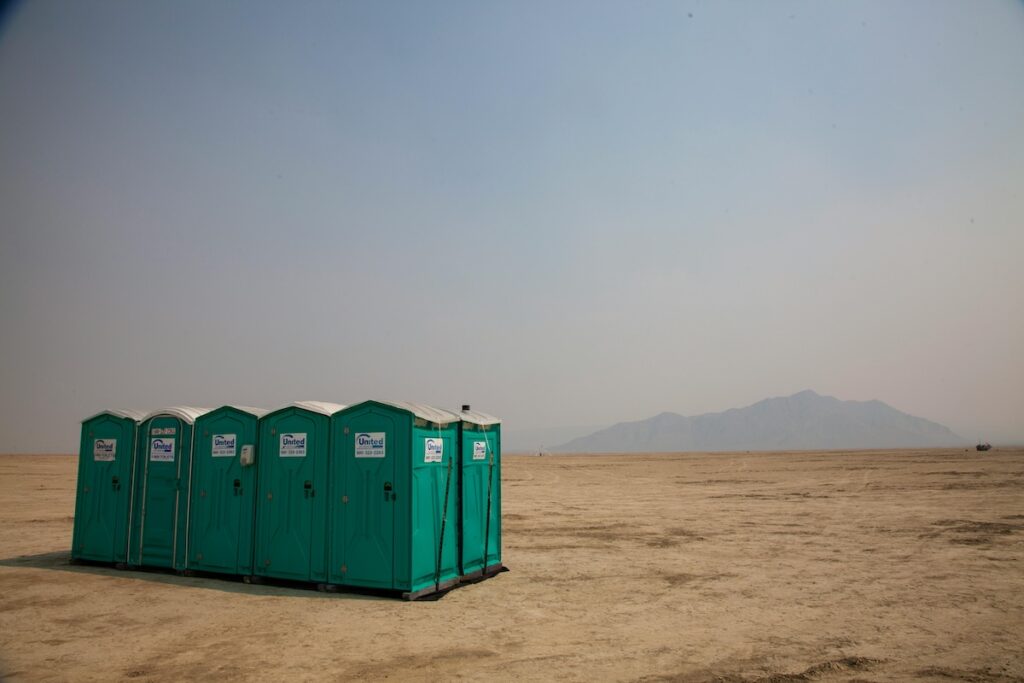
It's common to hire mobile welfare units on film sets to support cast and crew. Here are some situations when hiring welfare unit trailers for a film set may be necessary:
When filming in remote or rural areas like farms, desert locations and beaches where access to traditional infrastructure, such as bathrooms or running water, is limited or nonexistent, mobile welfare units become essential to provide basic amenities for the cast and crew. Welfare units can also provide shelter from unpredictable weather on film shoots, providing an opportunity to get out of the sun or rain. It's easy to transport and setup portable toilet and shower facilities at various locations, providing flexibility anywhere that you have road access.
During long shoot days or overnight shoots, day time facilities may be closed, so having mobile welfare units on set ensures that the cast and crew have access to amenities to maintain comfort and productivity throughout the filming process. For example, some welfare units have heating to keep cast and crew warm throughout long night shoots.
Mobile welfare units offer privacy and convenience for the cast and crew, especially when filming in public locations where access to public facilities may be limited or impractical. It also eliminates the need for cast and crew members to seek out off-site facilities, saving time and minimising disruptions to the filming schedule.
Providing adequate welfare facilities on a film set is often a legal requirement to comply with health and safety regulations when constructing movie sets. Mobile welfare units help ensure that the production meets these requirements and provides a safe working environment for everyone involved.
Overall, hiring a mobile welfare unit for a film set ensures that the production can operate smoothly and that the needs of the cast and crew are met, regardless of the location or duration of the shoot.
SuperScout is your own private location library – upload locations in minutes, tag them with ai in seconds, then search and share with your team

The cost of hiring mobile welfare units in the UK can vary depending on several factors, including the type of facilities needed, the duration of hire, the location, and the specific requirements of the event or project. Here are some cost estimates for hiring portable facilities in the UK:
Actual costs may vary based on factors such as the supplier, the location of the event or project, seasonal demand, and any additional services or customisation required. It's best to contact your local UK welfare unit suppliers directly to get accurate quotes based on your specific needs.
When hiring mobile welfare units for a film set, you should consider the following factors to ensure they meet the specific needs of your production:
Determine the size and capacity of the units needed based on the number of cast and crew members who will be using them. Ensure that there are enough facilities to accommodate everyone comfortably.
Consider the amenities required for your production, such as toilets, sinks, showers, seating areas, changing rooms, and kitchenettes. Choose units that offer the necessary features to meet the needs of your cast and crew.
Evaluate the location of the film set to determine accessibility and space constraints for placing the welfare unit trailers when you are conducting location recces. You'll want to consider the terrain, available space, and proximity to filming areas.
Determine the duration of the shoot for which you will need the mobile welfare units. Some suppliers offer flexible rental options, which can be beneficial if filming dates may be extended due to weather or other delays.
Ensure that the portable welfare units comply with health and safety regulations relevant to your location and industry. This may include requirements for sanitation, accessibility, and emergency provisions.
Consider logistics such as delivery, setup, and removal of the units. Ensure that the supplier can accommodate your schedule and location requirements for seamless installation and removal.
If sustainability is a priority, look for mobile welfare units that incorporate energy-efficient features, eco-friendly materials, and sustainable practices to minimise environmental impact. For more on welfare unit sustainability keep reading.
Evaluate the cost of hiring mobile welfare units and ensure that it aligns with your production budget. Portable facilities are generally a more cost-effective solution compared to building permanent infrastructure or relying on external facilities so are a good option for low budget films.
It's a good idea to get quotes from several hire companies and consider any additional fees for delivery, setup, servicing, and collection when comparing quotes from different suppliers.

The overall environmental impact of welfare unit trailers depends on factors such as their design, construction materials, energy sources, and waste management practices. Here are some ways portable welfare units can be more eco-friendly:
While mobile welfare units can be designed and operated with eco-friendly principles in mind, it's essential to consider the entire lifecycle of the units, including production, use, and disposal, to fully assess their environmental impact. Additionally, continuous improvements in design, technology, and practices can further enhance the eco-friendliness of portable facilities over time.
Are welfare units legally required on UK film sets?
Yes. While film sets are not governed by film-specific welfare laws, UK health and safety regulations require employers to provide suitable welfare facilities for workers. On location shoots without permanent amenities, this usually means hiring mobile welfare units.
What facilities should welfare units include on a film set?
At a minimum, welfare units should provide toilets, handwashing facilities, drinking water, and a space for rest breaks. The size of the unit and level of provision will depend on crew numbers, shoot duration, and location conditions.
Who is responsible for providing welfare units on a film set?
The responsibility typically sits with the production company. This is often managed by the location manager as part of logistical planning and health and safety compliance.
When should welfare units be arranged during production planning?
Welfare requirements are usually identified during the location recce or tech scout. Planning early helps ensure facilities meet local authority expectations and avoids delays once filming begins.
Do welfare requirements apply to short shoots or low-budget productions?
Yes. Welfare obligations apply regardless of budget or shoot length. Even short or small-scale productions must ensure cast and crew have access to suitable welfare facilities while working.
Hiring portable facilities for film sets offers a convenient and practical solution to meet the essential needs of cast and crew members, regardless of the location or duration of the production. From providing basic amenities like toilets, sinks, and showers to offering comfort, privacy, and compliance with health and safety regulations, portable welfare units play a crucial role in enhancing the overall production experience.
SuperScout is your own private location library – upload locations in minutes, tag them with ai in seconds, then search and share with your team